 How-to
7 Rental Scam Warning Signs to Spot Before You Pay
Last Updated: November 4, 2026
Quick Summary
To avoid rental scams online, verify the property address, owner, and photos before sending any money. Compare the rent with similar local listings, and never pay by wire, cash, or gift cards before you view the property in person.
- The FTC reports consumers lost $65 million to rental scams.
- Run listing photos through a reverse-image search to spot stolen pictures.
- Check county property records so the owner name matches your contact.
- A real lease names the owner, address, rent, deposit, and dates.
- Report fraud to the FTC at ReportFraud.ftc.gov and file a local police report.
Table of Contents
- Rental Scams to Look Out For: 7 Warning Signs
- How to Check If a Rental Property Is Legit Online
- Book with a Locally Managed Property You Can Visit
- Frequently Asked Questions
Rental Scams to Look Out For: 7 Warning Signs
Learning how to avoid rental scams online starts with knowing the tricks that show up again and again. The Federal Trade Commission reports that consumers lost $65 million to rental scams, according to FTC rental scam data spotlight. That money is gone because renters paid before they checked. Here are the signs to watch for first.
The Price Is Far Below Market Rent
A below-market rent is the oldest hook in the book. Scammers post a nice place at a price that makes you click before you think. Compare the asking rent with similar local listings before you get excited. If every other three-bedroom costs far more, ask why this one does not.
The Landlord Pushes for Urgent Payment
Pressure tactics are a red flag on their own. A real property owner wants a good tenant, not a fast payment. If the listing contact says someone else is about to take it, or asks for a deposit before you view the property, walk away. Urgent payment requests exist to stop you from checking.
Other signs to watch for:
- The contact cannot meet you at the property
- They ask for cash or a payment app only
- They refuse a written lease
- The story involves being out of the country
How to Check If a Rental Property Is Legit Online
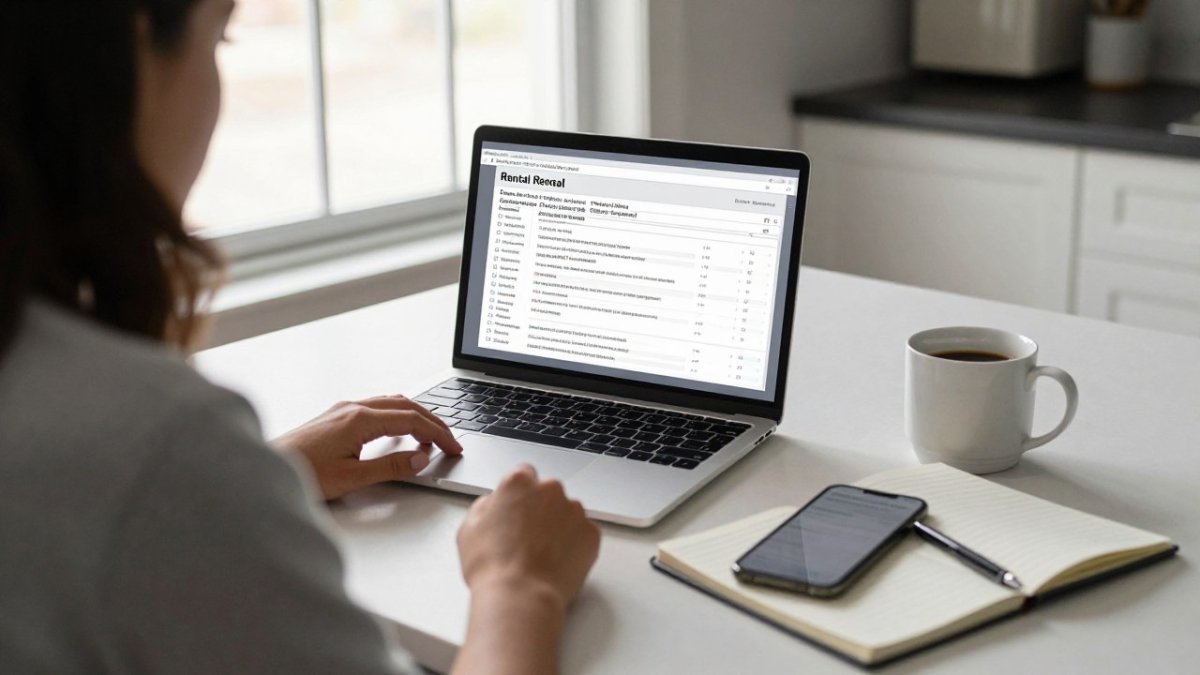
You can confirm a rental listing is real by checking the address, the owner, and the photos before you send anything. This takes about twenty minutes and saves months of grief.
Step 1: Preserve the Evidence First
Before you call anyone, capture the listing while it is still live. Take full-page screenshots of the ad, the photos, the contact name, and the price. Save every message thread and email, including headers if you can. Note the exact web address of the listing and the date and time you saw it.
Step 2: Contact Your Bank or Payment Provider
Call the number on the back of your card or the payment app's support line, not a number the scammer gave you. Ask specifically to open a fraud dispute and request a written case number. For wires, ask about a recall the same day. For card payments, ask about chargeback eligibility. Keep the case number with your evidence file.
Step 3: Report to the Platform That Hosted the Listing
Most listing platforms have a "report this listing" tool. Use it and note the report confirmation. Platforms can remove the ad and sometimes flag the account, which protects the next renter even if your money is not recovered.
Step 4: File With the FTC and Local Police
File a complaint at ReportFraud.ftc.gov, which takes a few minutes and feeds a public database used by law enforcement. Then file a local police report; many banks require a police report number before they finalize a fraud claim. Bring your evidence file and the bank case number.
Step 5: Check Your Identity Exposure
If you shared a photo ID, Social Security number, or application details, place a free fraud alert or freeze with the major credit bureaus and review your credit reports for accounts you did not open. A scammer with your documents can cause problems long after the rental ad is gone.
Step 6: Warn the Local Rental Community
Post a short, factual warning in local rental groups and on the platform where you found the ad. Stick to what you can prove: the listing address, the contact name used, and the payment method requested.
Watch out: do not send the scammer more money to "unlock" a refund or to "verify" your identity for a return.
Book with a Locally Managed Property You Can Visit
The safest rental is one you can walk into before you pay. A locally managed property gives you a real address, a real person, and a real door to knock on.
A locally managed property gives you a local point of contact for questions during your stay. When you are ready, reserve a verified property through the booking options for Atherton Street and Allen Street.
Frequently Asked Questions
How can I avoid getting scammed when renting online?
Verify the property before you send money. Search the address and listing photos online, confirm the owner through county records, and insist on an in-person or trusted-contact viewing. Compare the rent with similar local listings; a price far below market rent is a red flag. Use traceable payment methods like credit cards or checks, never wire transfers, cash, or gift cards. Get a written lease and read it before paying any deposit or first month's rent.
What are the most common rental scams to look out for?
Fake listings, fake lease scams, and phantom rentals top the list. Scammers copy photos from real listings, advertise below-market rent, and demand an urgent deposit before you view the property. Other schemes include the landlord claiming to be out of the country, asking for application fees before showing the unit, and sending a forged lease to appear legitimate. The FTC reports consumers lost $65 million to rental scams, so treat any pressure to pay quickly as a warning sign.
How do I report a rental scammer to police?
File a report with your local police department and the police in the city where the property is located. Bring copies of the listing, all messages, payment receipts, and the lease. Also report the fraud to the FTC at ReportFraud.ftc.gov and to the platform where the listing appeared. If you paid by wire transfer, contact your bank immediately; if by credit card, dispute the charge. Quick reporting improves the chance of recovery and helps investigators track patterns.
Can a rental listing be fake even if it appears on a reputable website?
Yes. Scammers post on major rental sites, social media marketplaces, and even local classifieds. A reputable platform does not guarantee the listing is real. Always verify the property address, the owner's identity, and the listing's legitimacy independently. Reverse-image search the photos, check for duplicate listings under different names, and confirm ownership through county property records. A listing on a trusted site is a starting point, not proof.
Spotting a fake listing is a skill, and it starts with slowing down before you pay. BLUEANDWHITELODGING offers newly built three-bedroom townhomes with full kitchens, free parking, and Level 2 EV chargers, all managed by a local team you can reach. Get started with BLUEANDWHITELODGING and book a stay you can verify in person.