 Comparison
Best Rent Like a Champion Alternatives 2026
Table of Contents
- Why Travelers Are Searching for Rent Like a Champion Alternatives in 2026
- How the Top Alternatives Compare: A Side-by-Side Look
- BLUEANDWHITELODGING: A Locally Managed Option for Penn State Football Weekend Lodging
- The Airbnb Alternative State College PA Travelers Should Consider
- Your Rental Amenities Checklist Before You Book
- Penn State Graduation Accommodations: What Families Should Know
- Total Booking Cost and Fee Transparency: What to Ask
- Which Alternative Fits Your Trip? A Decision Framework
- Frequently Asked Questions
Last Updated: October 21, 2026
Why Travelers Are Searching for Rent Like a Champion Alternatives in 2026
Rent Like a Champion built its name on a simple promise: rent a real house near campus instead of squeezing a group into hotel rooms.
The search for rent like a champion alternatives reflects that shift. Groups still want a whole home near Beaver Stadium. They just want to know exactly what they are paying for before they commit.
This guide from BLUEANDWHITELODGING compares the realistic options for State College visitors, from national marketplaces to locally managed townhomes. Below, we break down fees, amenities, and which option fits which trip, so you can book with clear eyes instead of crossed fingers.
How the Top Alternatives Compare: A Side-by-Side Look
Most 2026 guides list alternatives without actually comparing them. This section does the opposite: it breaks the market into four booking models and scores each on the criteria that decide a game-weekend or graduation trip, event coverage, inventory consistency, fee structure, booking rules, and support during disruptions. The goal is a decision you can defend, not a list of names.
The four models are national marketplaces, event hospitality companies, locally managed rental portfolios, and traditional hotels. Each solves a different problem, and each fails in a predictable way.
Comparison Framework: What Actually Differs
| Criterion | National Marketplace | Event Hospitality Company | Locally Managed Portfolio | Traditional Hotel |
|---|---|---|---|---|
| Event coverage | Broad but listing-dependent | Strong for marquee events | Strong for home football and graduation weekends | Reliable but limited room blocks |
| Inventory consistency | High variance between listings | Curated but package-based | Standardized across the portfolio | Standardized by brand |
| Fee structure | Nightly rate plus service and cleaning fees, disclosed at checkout | Package pricing, confirm inclusions directly | Quote-based, confirm inclusions in writing | Room rate plus parking and incidentals |
| Booking rules | Host-set minimums and cancellation terms | Contract terms, often stricter | Operator-set, often flexible for multi-night stays | Brand-wide cancellation tiers |
| Support model | Platform messaging, host-dependent | Account manager | Named local contact | Front desk |
| Best fit | Solo travelers, flexible dates | Corporate and VIP groups | Alumni groups, families, professionals | Short solo stays |
How to Read the Table
Start with event coverage. If your trip centers on a home football weekend or graduation, the locally managed portfolio and event hospitality models are built for that calendar; marketplaces depend on whether an individual host blocks the date.
Fee structure is where the models diverge most. Marketplaces typically layer service and cleaning fees on top of the nightly rate, and those charges can appear late in checkout.
Booking rules and support finish the comparison. Game-weekend dates often carry stricter cancellation terms than standard stays, and a marketplace host may set minimum-night requirements that a local operator waives for a multi-night group.
What This Framework Does Not Tell You
No public database verifies which alternatives currently serve specific college towns or event destinations, and published details about many named companies' rental inventory and pricing are thin. Treat any name you encounter as something to verify directly rather than a proven substitute for a home rental near campus. The framework above tells you what to ask; the answers still have to come from the operator.
For groups who want a house without the guesswork, the locally managed model is the one that combines event coverage, consistency, and a named contact. That is the model BLUEANDWHITELODGING operates, and the next section explains how it works in practice.
BLUEANDWHITELODGING: A Locally Managed Option for Penn State Football Weekend Lodging
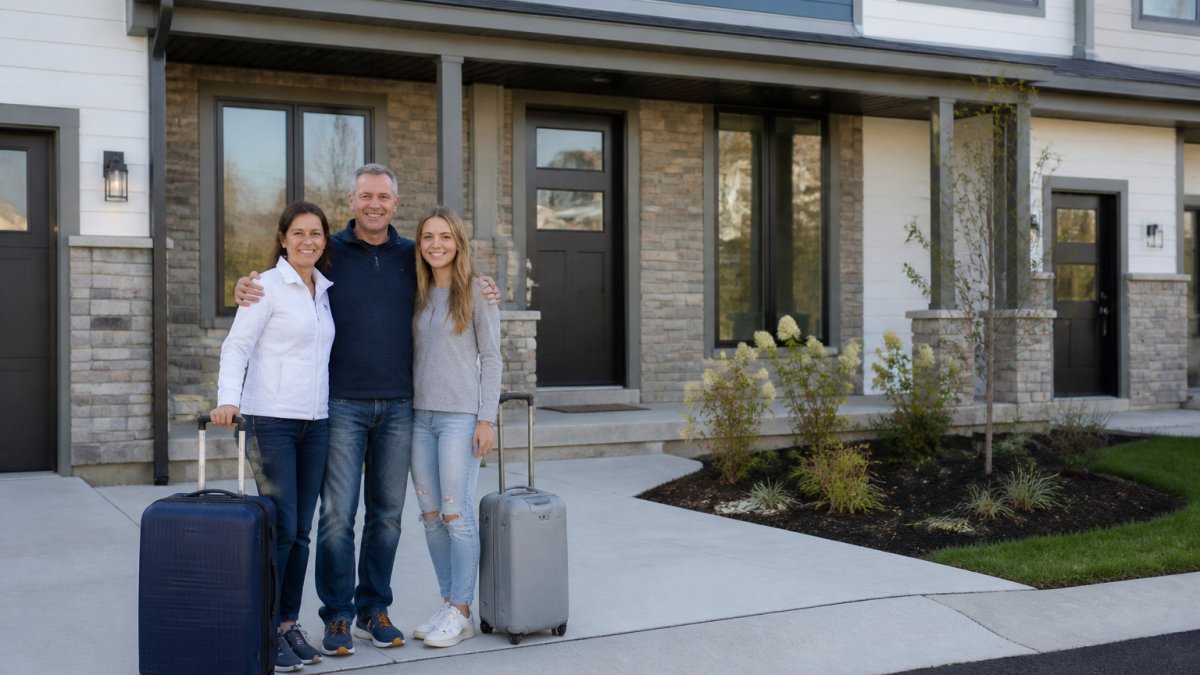
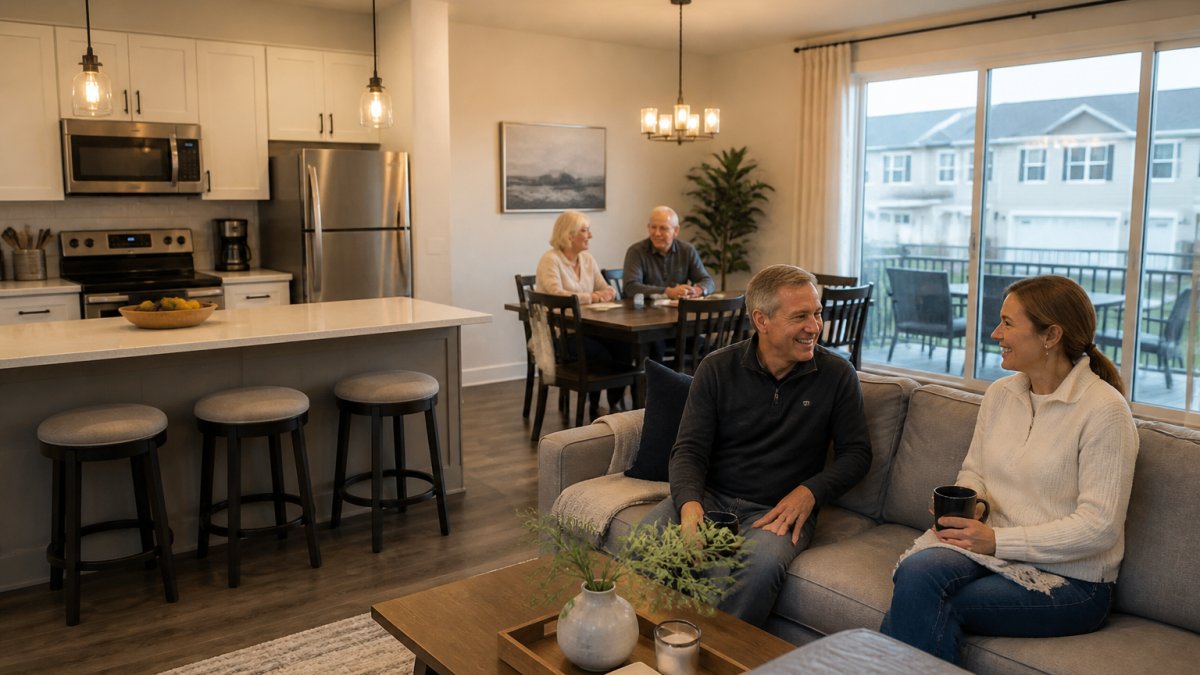
For groups who want a house without the guesswork, BLUEANDWHITELODGING runs a portfolio of newly built three-bedroom townhomes in State College, managed by a Penn State mechanical engineering graduate who knows the game day rhythm firsthand.

The setup suits the way alumni groups actually travel.
Optional guest services include neighborhood shuttle arrangements to Beaver Stadium, which removes the parking scramble that eats into every game day.
What most guides miss is that consistency matters more than square footage on a football weekend. A property that matches its photos and a host who answers the phone beat a bigger house with an absent owner.
The Airbnb Alternative State College PA Travelers Should Consider
Airbnb is the default Airbnb alternative State College PA visitors compare everything against, and for good reason: inventory is enormous. The trade-off is variance. Two listings on the same street can differ wildly in cleanliness, communication, and fee structure.
Locally managed townhomes flip that equation. You give up some choice of décor and get a standardized product: same build quality, same amenity set, same management standards across the portfolio.
The practical difference shows up in the details. A marketplace host may charge separate cleaning and service fees that appear late in checkout. A local operator can quote you the full picture upfront.
Your Rental Amenities Checklist Before You Book
Run this checklist against any rental before you pay a deposit. It takes five minutes and prevents most booking regrets.
- Total cost confirmed in writing, including cleaning, service, and parking fees
- Bed count and bed sizes match your group, not just bedroom count
- Wi-Fi speed or confirmation that it handles multiple devices
- EV charging on site, if anyone in the group drives electric
- Distance to Beaver Stadium and downtown, plus shuttle or parking options
- Cancellation policy in writing, with dates and refund terms
- Named contact for issues during the stay, with a phone number
- Check-in and check-out times that fit your travel schedule
- Kitchen setup: full size, cookware, and coffee equipment
- House rules on occupancy and quiet hours
That last item matters in a college town. Responsible groups want a property that enforces rules, because it protects the neighborhood and the stay.
Penn State Graduation Accommodations: What Families Should Know
Graduation weekends fill State College fast, and the booking window is tighter than most families expect. Multi-bedroom townhomes work well here because grandparents, parents, and siblings can stay together instead of scattering across hotel floors.
Penn State graduation accommodations also reward early planning on logistics. Ceremonies spread across campus, family meals happen downtown, and parking is a genuine constraint. A home base within easy reach of campus landmarks saves hours across a three-day visit.
For families traveling with older relatives, a single-level living layout and a short walk to the car matter more than square footage. Ask about both before booking.
Total Booking Cost and Fee Transparency: What to Ask
Fee transparency is where rent like a champion alternatives genuinely separate themselves, and it is the gap most 2026 guides leave open. The nightly rate is rarely the number you pay. This section gives you a repeatable way to build the real total and compare options on equal footing, without quoting prices that vary by date, group size, and season.
The Six Components of a Real Total
Every booking total is built from the same six parts. Ask for each one in writing.
- Nightly rate, the headline number, and the least useful on its own.
- Cleaning fee, common on marketplaces and often charged per stay, not per night.
- Service or platform fee, a percentage-based charge that can appear late in checkout.
- Taxes and local lodging charges, set by jurisdiction, not by the host.
- Parking and incidentals, hotel garages, event parking, and any resort or administrative charges.
- Extras, early check-in, late checkout, extra guests, pets, and shuttle or service add-ons.
A host who answers all six before you book will usually communicate clearly during your stay too. A host who answers only the first is telling you something.
A Comparison Method You Can Run in Ten Minutes
Build a simple worksheet with one column per option and one row per component above. Fill in what you are told, mark what you are not, and treat every blank as a risk rather than a zero. Then add two rows that do not appear on any checkout page: the minimum-night requirement and the cancellation terms. A listing that looks cheaper per night can cost more once fees and minimums land, and a quote-based local property can come in line with or below a marketplace stay once everything is counted.
Questions That Surface Hidden Costs
- What is the total I will pay, including every fee, in writing?
- Which fees are per stay and which are per night?
- What triggers extra fees, early check-in, late checkout, extra guests, pets?
- What is the minimum-night requirement for these dates?
- What is the cancellation policy, with dates and refund terms?
- Is parking included, and if not, what does it cost per day?
- Who do I call during the stay if something breaks, and what is the response time?
Why Locally Managed Portfolios Quote Differently
A marketplace host may charge separate cleaning and service fees that appear late in checkout. A local operator can quote the full picture upfront because the same team sets the rate, cleans the home, and answers the phone. That is not a guarantee of a lower total, it is a guarantee that the total is knowable before you commit. For a group splitting costs six ways, predictability is worth more than novelty.
Which Alternative Fits Your Trip? A Decision Framework
Match the option to the trip, not the other way around.
- Alumni group of 6-8 for a football weekend: a locally managed three-bedroom townhome, with shuttle arrangements to simplify game day.
- Family of four for graduation: a townhome near campus, booked as early as dates are confirmed.
- Corporate or VIP hosting: an event hospitality package, verified directly with the provider.
- Solo traveler or one-night stop: a hotel, where a front desk and flexible check-in win.
- Budget-first group with flexible dates: a marketplace listing, with the fee checklist above in hand.
If your group includes alumni, parents, families, or professionals, book with a host who expects that crowd. Properties that welcome responsible guests and enforce house rules deliver a better weekend for everyone.
State College weekends reward planning, and the biggest variable is who manages your stay. BLUEANDWHITELODGING offers newly built three-bedroom townhomes with Level 2 EV chargers, game rooms, and optional neighborhood shuttle arrangements to Beaver Stadium, all managed locally by a Penn State alumnus.
Frequently Asked Questions
Is Rent Like a Champion still in business?
The company continues to operate as a rental platform focused on college football weekends and event lodging in college towns. Travelers researching Rent Like a Champion alternatives in 2026 often do so to compare fees, inventory, and local management. Verify current availability and terms directly on the platform before booking, and confirm cancellation policies and customer support hours for your event weekend.
What are the best alternatives to Rent Like a Champion for Penn State weekends?
Options include locally managed townhome portfolios like BLUEANDWHITELODGING, general vacation rental platforms, and boutique event hospitality companies. For Penn State football weekend lodging, look for properties with group-friendly layouts, clear fee structures, and responsive local support. A dedicated three-bedroom townhome often suits alumni groups and families better than a single hotel room, especially when you need space for six or more guests.
What should I look for in a rental for a family or alumni gathering?
Use a rental amenities checklist: confirm bedroom count, parking, Wi-Fi, kitchen setup, laundry, and any extra fees. Ask about cancellation policy and who to call after hours. For groups, verify sleeping capacity and common space. If you need EV charging or a game room, confirm those features are on-site, not nearby. Locally managed properties usually answer questions faster than large platforms.
Are townhomes a good alternative to booking through a rental platform?
Townhomes can be a strong fit for groups attending Penn State graduation accommodations or football weekends because they offer multiple bedrooms, full kitchens, and living space. Booking directly with a local manager can reduce platform fees and give you a single point of contact. Confirm total cost, including cleaning and service fees, before you commit, and ask about minimum-night stays during event weekends.